
therapy for teenagers
supporting growth,
identity and independence
how we support teenagers
At Emble Allied Health, we provide therapy for teenagers in Mill Park, Bundoora and Melbourne’s north-east.
The teenage years are not one-size-fits-all.
For some young people, this stage is about building independence, exploring identity and preparing for what comes next. For others, it may involve navigating additional support needs, changes in health, or increased complexity in daily life.
At Emble, we recognise that every young person’s experience is different.
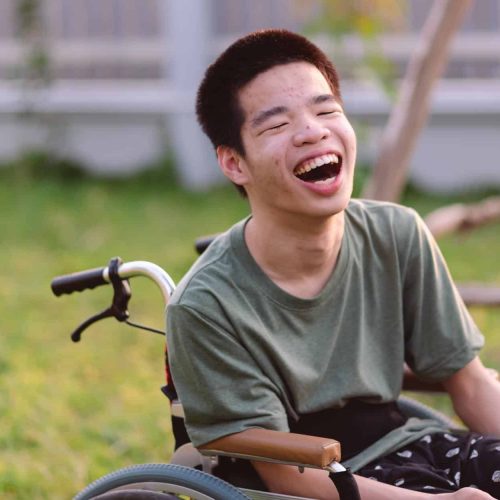
We support teenagers with a wide range of needs whether they require minimal support or more consistent, multidisciplinary care focusing on participation, wellbeing and meaningful engagement in everyday life.
when support might be helpful
You or your young person might be noticing:
- Feeling overwhelmed, anxious or shut down
- Finding communication or expressing thoughts difficult
- Challenges with friendships or social situations
- Difficulties with school, engagement or motivation
- Changes in behaviour, mood or participation
- Increasing reliance on support or difficulty with independence
- Feeling unsure about the future or next steps
Support doesn’t require a diagnosis – we’ll work with you to understand what’s going on and what might help.
where we deliver support
Flexible options to suit your routine, preferences and everyday life.
in clinic
- Structured sessions in our Mill Park and Bundoora clinics
- Access to specialised resources and equipment
- A consistent, supported environment for focused therapy
in the community
- Support at home, school or in community settings
- Strategies embedded into everyday routines and environments
- Real-world support where skills are naturally used
telehealth
- Flexible sessions from home or another preferred location
- An option for young people who prefer more privacy or independence
- Coaching and guidance for individuals, families and support teams
areas we support
Our focus is on supporting young people to participate in everyday life in ways that feel meaningful, achievable and aligned with who they are.
Support may focus on one area or a combination, depending on what is most helpful.
communication, speech and language
- Expressing thoughts, opinions and needs in ways that work for the young person
- Supporting communication across speech, non-speaking and multimodal communication styles
- Use of Augmentative and Alternative Communication (AAC), including high- and low-tech systems
- Building confidence communicating across school, community and everyday environments
- Supporting communication in a way that builds autonomy and reduces pressure to communicate in a specific way
- Supporting access to communication systems that enable participation, choice and independence
- Supporting speech clarity, including speech sound differences and motor speech challenges (e.g. apraxia of speech)
- Supporting fluency of speech (e.g. stuttering) in a way that builds confidence and reduces pressure
emotional wellbeing and mental health
- Understanding emotions and internal experiences
- Developing strategies that support regulation and wellbeing
- Navigating anxiety, stress and overwhelm
- Supporting confidence and emotional safety
sensory experiences and regulation
- Better understanding yours (or your teenager’s) sensory preferences and sensitivities
- Exploring how sensory needs impact daily life
- Supporting regulation without suppressing needs
- Developing practical strategies for comfort and engagement
daily routines and independence
- Building independence in everyday routines where appropriate
- Supporting organisation, planning and time management
- Developing life skills that support participation at home and in the community
- Supporting increasing autonomy while recognising individual support needs
movement, physical support and participation
- Supporting mobility, coordination and physical functioning
- Building confidence in movement and physical activity
- Supporting participation in school, recreation and community environments
- Working with young people who may require ongoing physical support
feeding, nutrition and daily living
- Supporting nutrition and overall health
- Building confidence with food choices and routines
- Supporting independence with food preparation where appropriate
- Navigating sensory or preference-based differences with food
creative expression and identity
- Exploring identity, experiences and emotions through creative approaches
- Supporting self-expression in ways that feel safe and meaningful
- Creating space to process experiences and build confidence
community access and participation
- Supporting access to community environments and activities
- Navigating public, social and unfamiliar settings
- Building confidence participating in meaningful activities
- Supporting inclusion without pressure to “fit in”
literacy, learning and study skills
- Supporting reading comprehension and written expression
- Building skills for learning, study and managing academic demands
- Developing confidence with schoolwork, assignments and exams
- Supporting participation in school, further education or training
how support works at emble
As young people get older, it’s important they feel:
- Heard and understood
- Involved in decisions about their support
- Able to express their preferences and goals
We adapt how we work to suit each young person’s communication style, comfort and needs.
We offer flexible, coordinated support based on the needs of each young person.
flexible and coordinated support
Some young people:
- work with one therapist
- engage multiple supports
- or require coordinated multidisciplinary care
Our team works collaboratively, ensuring support is connected and consistent.
support in everyday life
We continue to work in partnership with families, while recognising the growing independence of the young person.
Support is embedded into everyday life – not just sessions, so strategies are relevant, skills carry across environments, and support remains consistent across the people involved.
We don’t expect young people to change who they are to fit into environments. Instead, we support them to understand themselves and navigate the world in ways that feel authentic and achievable – whether that involves building skills, adjusting environments, or developing confidence and self-advocacy.
Support happens across school, home and community settings, with a focus on collaboration between young people, families and support teams.
For some, this stage also includes preparing for what comes next. Where appropriate, we support young people to explore pathways, build independence, and navigate transitions into further education, training or employment – guided by their goals, preferences and readiness.
assessments and diagnostics
We offer assessments to support understanding, planning and access to appropriate supports.
This may include:
- Functional Capacity Assessments (NDIS)
- Autism assessments
- ADHD assessments
- Cognitive assessments
- Speech and communication assessments
- Functional and occupational assessments
Assessments help guide meaningful supports, participation and planning for the future.
ready to get started?
You don’t need to have it all figured out.
We’ll help you make sense of your options and guide you toward the next step.